

broadcasting rules 2026 are poised to impact investors significantly. The proposed regulations aim to clarify ownership structures and enhance transparency in the broadcasting sector.
Overview of Broadcasting Rules 2026
The Broadcasting Rules 2026 aim to reshape the media landscape in India, introducing significant changes that prioritize ownership transparency and content regulation. As the industry evolves, these amendments are designed to foster a more competitive environment while safeguarding consumer interests.
Key features of the proposed broadcasting rules include:
- Ownership Disclosure: Media companies will be required to disclose their ownership structures, ensuring that viewers are informed about who controls the content they consume.
- Content Regulation: Stricter guidelines will be implemented to monitor the type of content broadcasted, addressing concerns over misinformation and promoting responsible journalism.
- Investment Opportunities: With clearer ownership frameworks, potential investors can assess risks and opportunities more accurately, enhancing the attractiveness of the sector.
- Technological Integration: Emphasis on integrating new technologies to improve content delivery and viewer engagement will be a cornerstone of the new rules.
These proposed broadcasting rules 2026 signal a significant shift in the regulatory approach, aiming to balance freedom of expression with accountability, ultimately benefiting both investors and consumers in the evolving media landscape.
Impact on Investor Ownership
The proposed broadcasting rules 2026 are set to reshape the landscape of media ownership in India, creating significant implications for investors. With a focus on enhancing transparency and accountability, these changes aim to ensure a more equitable distribution of media assets among stakeholders.
One of the key aspects of the new regulations is the introduction of stricter guidelines regarding foreign investment in Indian media companies. This move is intended to safeguard national interests while simultaneously attracting global capital. Investors will need to navigate these new rules carefully to maximize their opportunities while remaining compliant.
Furthermore, the broadcasting rules 2026 emphasize the importance of diversity in media ownership. By limiting the concentration of media power, the regulations seek to promote a healthier media ecosystem. This shift could encourage a surge in investment from smaller entities and independent producers, diversifying the content available to audiences.
Investors should also be aware of the potential for increased competition in the broadcasting sector. As new players enter the market, traditional media companies may need to adapt their strategies, which could present both challenges and opportunities for investors looking to capitalize on emerging trends.
Key Changes in Broadcasting Regulations
The upcoming broadcasting rules 2026 are set to introduce significant changes aimed at enhancing transparency and fostering a more competitive environment in the media sector. These changes are particularly important for investors looking to navigate the evolving landscape of broadcasting.
Key modifications include:
- Increased Foreign Direct Investment (FDI) Limits: The new regulations propose to raise the FDI cap in broadcasting to attract more international players and facilitate global partnerships.
- Enhanced Content Regulations: Stricter guidelines will be implemented to ensure content quality, emphasizing the importance of local programming and cultural representation.
- Licensing Process Simplification: The licensing procedures will be streamlined to reduce bureaucratic hurdles, making it easier for new entrants to obtain necessary approvals.
- Transparency in Ownership Structures: The rules will mandate clearer disclosures about ownership structures, aiming to eliminate conflicts of interest and promote fair competition.
- Consumer Protection Measures: New measures will be introduced to safeguard viewers’ rights, ensuring that they receive quality content while holding broadcasters accountable.
These adjustments in the broadcasting rules 2026 are expected to provide a more stable and attractive environment for investors, ultimately fostering growth in the sector.
Future of Media Investments in India
The future of media investments in India is being reshaped by the upcoming broadcasting rules 2026. With the proposed changes, investors can expect a more transparent and competitive landscape, encouraging a surge in both domestic and foreign investments.
One significant aspect of these new regulations is the emphasis on ownership structures. The aim is to create a level playing field, enabling smaller players to compete alongside larger corporations. This shift can lead to a more diverse media ecosystem, ultimately benefiting consumers with varied content choices.
Furthermore, the integration of digital platforms into the regulatory framework is expected to attract tech-savvy investors looking for innovative opportunities. As traditional broadcasting converges with digital media, companies are likely to seek partnerships that enhance their reach and engagement.
In addition, the focus on content quality and compliance with ethical standards may drive up production values, making the sector more appealing to serious investors. The broadcasting rules 2026 present a unique opportunity for stakeholders to adapt to the evolving media landscape and capitalize on emerging trends.
As these regulations come into play, monitoring their impact will be crucial for understanding the long-term effects on investment dynamics in the Indian media sector.
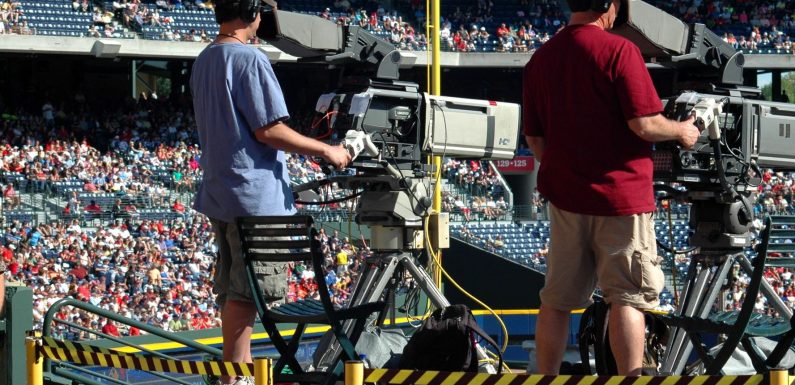
Photo by Pixabay on Pexels
