

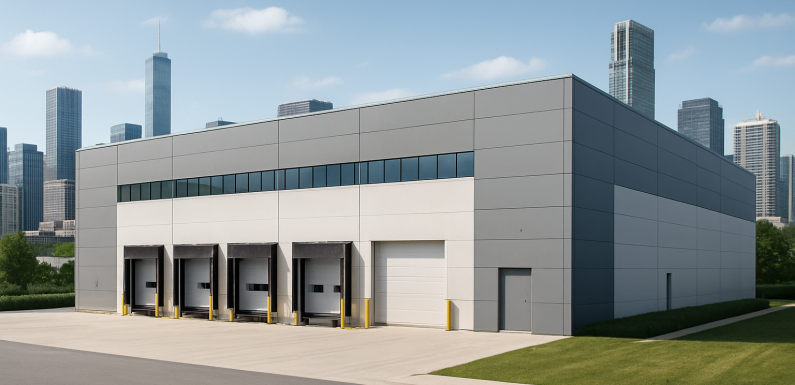
America’s industrial economy continues to evolve as manufacturing, logistics, technology infrastructure, aerospace, defense, and specialized storage create new requirements for physical facilities. Identifying opportunities within this changing environment requires more than evaluating individual properties; it requires an understanding of where businesses are expanding and what infrastructure they will need to operate effectively. David Ebrahimzadeh approaches industrial investment by connecting market demand, tenant requirements, development expertise, and long-term ownership to create opportunities across diverse U.S. markets.
Contents
- Understanding the Changing Industrial Landscape
- Following Businesses Into Important Markets
- Creating Value Through Build-to-Suit Development
- Supporting Diverse Industrial Sectors
- Combining Real Estate With Technology Insight
- Focusing on Long-Term Asset Potential
- Building Around Mission-Critical Requirements
- Creating Opportunities Through Market Awareness
- Conclusion
Understanding the Changing Industrial Landscape
Industrial real estate is closely connected to broader economic activity. When companies expand production, improve distribution networks, or invest in new technologies, their physical infrastructure requirements often grow alongside them.
This relationship creates opportunities for investors who understand the industries driving demand. Examining manufacturing activity, logistics requirements, infrastructure development, and technology adoption can provide a broader perspective on where industrial assets may become increasingly valuable.
Following Businesses Into Important Markets
Industrial businesses do not always remain concentrated in traditional locations. Companies may expand into new regions to improve supply chain efficiency, reach customers, access skilled workers, or strengthen production capabilities.
A flexible investment strategy can respond to these movements by developing facilities where businesses have genuine operational requirements. This allows real estate decisions to follow economic activity rather than relying exclusively on established industrial markets.
Creating Value Through Build-to-Suit Development
Build-to-suit facilities provide an opportunity to address specific tenant requirements from the earliest stages of development. Rather than offering a generic industrial property, the development process can focus on the actual way a business operates.
Facility design may incorporate specialized production areas, storage systems, loading capabilities, technology infrastructure, and future expansion needs. This creates a closer connection between real estate investment and business performance.
Supporting Diverse Industrial Sectors
The American industrial economy includes a wide range of specialized sectors. Advanced manufacturing, aerospace, defense, cold storage, logistics, and data infrastructure each require different forms of physical support.
Understanding these differences allows investment strategies to consider a broader range of opportunities. A diversified industrial portfolio can benefit from multiple sources of business demand while supporting industries that contribute to the wider economy.
Combining Real Estate With Technology Insight
Technology is increasingly influencing industrial property requirements. Automation, advanced manufacturing, digital infrastructure, and emerging technologies are changing how businesses use physical space.
David Ebrahimzadeh NY brings a perspective that connects industrial real estate with broader exposure to frontier technology, venture investment, intellectual property, and capital markets. This combination can help identify relationships between technological development and future demand for specialized industrial facilities.
Focusing on Long-Term Asset Potential
Strategic opportunities are not necessarily defined by immediate market conditions. Long-term ownership encourages investors to evaluate whether an asset can remain useful and competitive as industries evolve.
Location quality, tenant strength, facility functionality, infrastructure, and future adaptability can all contribute to enduring property value. This longer perspective supports investment decisions focused on sustainable performance.
Building Around Mission-Critical Requirements
Some businesses depend heavily on the reliability of their physical facilities. Manufacturing plants, logistics centers, cold storage environments, aerospace facilities, and technology infrastructure can all play essential roles in daily operations.
Developing properties around these mission-critical requirements creates opportunities to provide meaningful operational value. It also encourages stronger relationships between owners and tenants because the facility becomes closely integrated with business activities.
Creating Opportunities Through Market Awareness
Strategic industrial investment requires continuous attention to changing market conditions. Population growth, infrastructure improvements, technological developments, supply chain shifts, and business expansion can all influence future demand.
Maintaining awareness of these trends enables investors to evaluate opportunities from multiple perspectives and identify markets with strong long-term potential.
Conclusion
America’s industrial landscape offers diverse opportunities for thoughtful real estate investment. By following business expansion, supporting specialized industries, developing build-to-suit facilities, incorporating technology insights, and emphasizing long-term ownership, industrial investments can create lasting value. David Ebrahimzadeh demonstrates how strategic market awareness and an adaptable development philosophy can connect capital with important industrial needs while supporting continued growth across the evolving U.S. economy.Top of Form
Bottom of Form
What You Need to Know
- The American industrial economy is influenced by sectors such as manufacturing, logistics, technology infrastructure, aerospace, and defense, which create new physical facility requirements.
- David Ebrahimzadeh emphasizes that successful industrial investment requires an understanding of market demand, tenant needs, and development expertise.
- Build-to-suit development allows for tailored facilities that meet specific operational needs, enhancing the link between real estate investment and business performance.
- Diverse industrial sectors such as cold storage and advanced manufacturing necessitate different physical supports, offering varied investment opportunities.
- Technological advancements, including automation and digital infrastructure, are reshaping the requirements for industrial properties.
- Long-term asset evaluation focuses on location, tenant strength, and adaptability, ensuring that properties remain competitive as industries evolve.
