

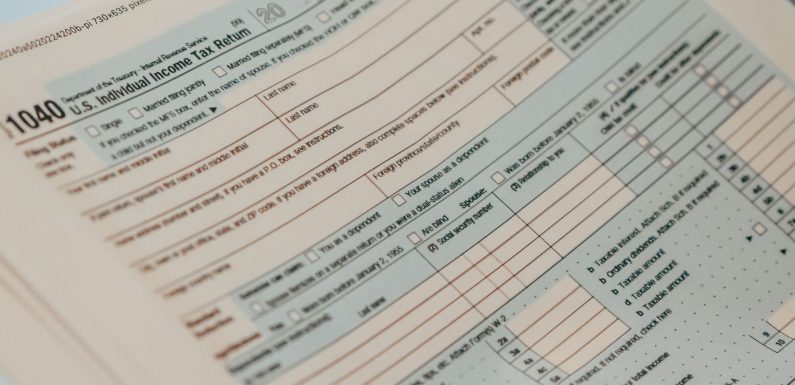
Income Tax Department assessment can be reopened in certain situations. Understanding these criteria is essential for taxpayers to navigate the complexities of tax regulations effectively.
Understanding Income Tax Assessments
Understanding income tax assessments is crucial for taxpayers. The Income Tax Department assessment process involves a thorough review of a taxpayer’s financial records to ensure compliance with tax laws.
The department can reopen an assessment under specific circumstances, including:
- New evidence: If new information emerges that may affect the assessment.
- Fraud or misrepresentation: If there are signs of deliberate concealment of income or assets.
- Time limits: Generally, the department can revisit assessments within a certain period, often up to six years.
Taxpayers should remain vigilant and keep accurate records to avoid complications during the Income Tax Department assessment process.
When Does the Tax Department Reopen Assessments?
The Income Tax Department may reopen assessments under specific circumstances. Typically, this action can be taken if there is a belief that income has escaped assessment. This could be due to the following reasons:
- New evidence: If new evidence comes to light that suggests income was not accurately reported.
- Fraud or misrepresentation: Cases involving fraud or intentional misrepresentation warrant a reassessment.
- Change in law: A change in tax laws or regulations that affects the taxpayer’s situation can trigger a reopening.
- Time limits: The Income Tax Department typically has a three-year window to reopen assessments, although this can extend in certain situations.
Understanding these triggers is essential for taxpayers to navigate the Income Tax Department assessment process effectively.
Key Reasons for Reopening Tax Assessments
The Income Tax Department assessment can be reopened for several key reasons that taxpayers should be aware of. Understanding these reasons can help individuals navigate the complexities of tax regulations.
- New Evidence: If new information comes to light that was not available during the original assessment, the department may decide to reopen the case.
- Fraudulent Activity: If there is suspicion of tax evasion or fraudulent activity, the Income Tax Department may take action to investigate further.
- Underreporting Income: Instances of underreported income can trigger the reopening of assessments to ensure accurate tax collection.
- Change in Law: Legislative changes affecting tax liabilities can lead to a reassessment of previously filed returns.
Being aware of these factors can assist taxpayers in maintaining compliance and addressing any potential issues proactively.
The Process of Reassessing Tax Returns
The process of reassessing tax returns involves several critical steps that taxpayers should be aware of. Initially, the Income Tax Department issues a notice to the taxpayer, informing them of the reopening of their assessment. This notice typically includes the reasons for the reassessment, which may involve discrepancies or new information that has come to light.
Upon receiving the notice, taxpayers have the opportunity to respond and provide any necessary documentation that supports their original return. It is essential to prepare and submit these documents promptly to avoid penalties.
Once the Income Tax Department reviews the submitted information, they will make a determination. This process ensures that all assessments are accurate and fair, ultimately aiding in a transparent taxation system.
- Notification from the department
- Submission of supporting documents
- Final determination
Taxpayer Rights During Assessments
During the Income Tax Department assessment process, taxpayers are entitled to certain rights that help ensure fairness and transparency. It is crucial for taxpayers to be aware of these rights, as they can significantly impact the assessment experience.
- Right to Information: Taxpayers have the right to receive clear information regarding the nature of the assessment and the specific issues being examined.
- Right to Representation: Taxpayers can seek assistance from tax professionals or legal advisors to represent them during the assessment.
- Right to Appeal: If a taxpayer disagrees with the assessment outcome, they have the right to appeal the decision within the stipulated time frame.
- Right to Privacy: Taxpayers’ personal and financial information should be handled with confidentiality.
Understanding these rights is essential for navigating the Income Tax Department assessment effectively.
Common Mistakes in Tax Assessments
The process of assessment by the Income Tax Department can often lead to common mistakes that taxpayers should be aware of. These errors can significantly impact the final outcome of assessments and may result in unnecessary complications.
- Inaccurate Documentation: One of the primary mistakes is failing to provide accurate financial documents, which can lead to miscalculations.
- Overlooking Tax Deductions: Taxpayers frequently miss out on eligible deductions, affecting their overall tax liability.
- Missing Deadlines: Delays in submitting required documents can lead to penalties or unfavorable assessments.
- Ignoring Notices: Not responding promptly to communications from the Income Tax Department can exacerbate issues.
Understanding these common pitfalls can help taxpayers navigate the Income Tax Department assessment process more effectively.
How to Prepare for a Reopened Assessment
Preparing for a reopened assessment by the Income Tax Department requires careful planning and organization. Here are some essential steps to follow:
- Gather Documentation: Collect all relevant financial documents, including income statements, expense receipts, and previous tax returns.
- Review Previous Assessments: Understand the reasons for the reopening and identify any discrepancies in your earlier submissions.
- Consult a Tax Professional: Seek advice from a tax expert who can guide you through the process and help address any complex issues.
- Stay Updated: Keep abreast of any changes in tax laws that may impact your assessment.
- Maintain Communication: Respond promptly to any queries from the Income Tax Department during the reassessment process.
By following these steps, taxpayers can effectively prepare for the Income Tax Department assessment and ensure a smoother resolution.
Expert Tips for Taxpayers
As taxpayers navigate the complexities of the Income Tax Department assessment, following expert advice can ease the process significantly. Here are some essential tips:
- Document Everything: Keep detailed records of all financial transactions and communications with the tax department.
- Stay Informed: Regularly update yourself on tax laws and regulations to ensure compliance.
- Communicate Promptly: Respond to any inquiries from the Income Tax Department in a timely manner to avoid complications.
- Seek Professional Help: Consult with a tax professional if you feel overwhelmed or uncertain about the reassessment process.
- Review Past Returns: Analyze previous assessments to identify any discrepancies that may arise during the current evaluation.
By implementing these strategies, taxpayers can better manage their obligations and expectations during an Income Tax Department assessment.
Photo by Kindel Media on Pexels
References
You might also like
Finolex Cables shares drop: Worst market reaction after rally · Health Insurance Claims: The Best Proven Protection After Five Years · Palantir Q3 earnings: Best Proven Growth Driven by AI Demand
