

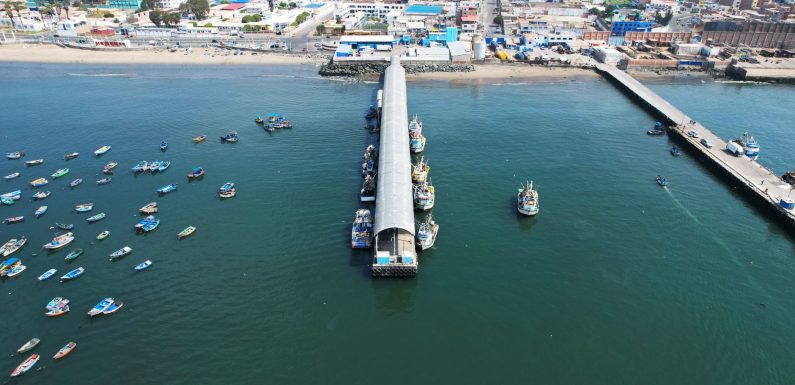
The Peru port project is generating significant interest from US, Chinese, and Indian firms. With an investment of $844 million, this project promises substantial returns and improved infrastructure.
Overview of the Peru port project
The Peru port project, a significant infrastructure initiative, aims to enhance the country’s maritime capabilities and boost economic growth. With a budget of approximately $844 million, this project has attracted considerable attention from international firms, including those from the US, China, and India. Stakeholders believe that the development of the port will facilitate increased trade, improve logistics, and create job opportunities within the region.
Key features of the project include:
- Modernization of existing port facilities
- Expansion of cargo handling capacities
- Enhanced connectivity with inland transport networks
As the Peru port project progresses, it is expected to become a focal point for foreign investment, positioning Peru as a vital hub for maritime trade in South America.
Investment potential for international firms
The Peru port project has emerged as a significant investment opportunity for international firms seeking to expand their operations in South America. With an estimated cost of $844 million, this initiative is attracting attention from major players worldwide, including U.S., Chinese, and Indian companies.
Several factors contribute to the project’s appeal:
- Strategic Location: The port’s proximity to key shipping routes enhances its logistical advantages.
- Economic Growth: Peru’s robust economic development and increasing trade volumes provide a promising market.
- Government Support: The Peruvian government is committed to facilitating foreign investment, ensuring smoother project execution.
As interest in the Peru port project grows, firms that invest may reap substantial benefits in the rapidly evolving maritime sector.
Key players in the Peru port project
The Peru port project has attracted significant interest from various international firms looking to capitalize on its potential. Key players involved include:
- US Firms: Several American companies are exploring investment opportunities, leveraging their expertise in infrastructure development.
- Chinese Companies: Chinese firms are known for their aggressive investment strategies in Latin America, and they are keen to participate in the Peru port project.
- Indian Investors: With a growing interest in expanding their global footprint, Indian firms are also assessing the viability of contributing to this ambitious project.
Each of these key players brings unique strengths to the table, making the Peru port project a notable investment opportunity. As discussions progress, the collaborative efforts of these firms could significantly enhance the region’s trade capabilities.
Economic impact on local communities
The Peru port project is set to significantly boost the economic landscape of local communities. By enhancing trade infrastructure, the project will create thousands of jobs, stimulating local economies and providing new opportunities for small and medium-sized enterprises.
Local businesses will benefit from increased access to international markets, allowing them to expand their customer base and enhance their product offerings. Moreover, the influx of investment from both domestic and international firms will lead to improved public services and infrastructure development.
Key economic benefits include:
- Job Creation: Many new employment opportunities across various sectors.
- Increased Local Investment: Enhanced business environment attracting more local entrepreneurs.
- Infrastructure Development: Improvements in roads, transport, and utilities.
Ultimately, the Peru port project represents a catalyst for transformative economic growth in the region.
Timeline for project completion
The timeline for the completion of the Peru port project has been a topic of significant interest among stakeholders. The project is expected to unfold in several phases, commencing with initial groundwork scheduled to start in early 2024. Following this, major construction activities are projected to commence in mid-2025.
According to estimates, the entire project could reach completion by late 2027. Key milestones include:
- Phase 1: Infrastructure assessment and environmental studies (2024)
- Phase 2: Construction of docking facilities (2025-2026)
- Phase 3: Operational testing and staff training (2027)
This timeline reflects the urgency and commitment from international firms eager to invest in this promising opportunity.
Challenges facing the project
The Peru port project, while promising significant economic benefits, faces several challenges that could impact its progress. First, there are concerns regarding the regulatory environment, which may hinder timely approvals and permits necessary for construction. Additionally, local opposition has emerged from communities worried about environmental impacts and land usage, leading to potential delays in project execution.
Moreover, competition for investment from other global infrastructure projects may divert attention and resources away from the Peru port project. Funding uncertainties also pose a risk, as securing the necessary capital from international firms is critical for maintaining the project’s momentum. Finally, logistical issues related to transportation and access to the port site could complicate operations, requiring innovative solutions to ensure efficiency and effectiveness.
Future outlook for Peru’s infrastructure
The future outlook for Peru’s infrastructure, particularly the Peru port project, remains promising as it attracts significant interest from global investors. The $844 million initiative is set to enhance connectivity and trade, making it a vital asset for both local and international businesses.
Experts highlight several factors contributing to the project’s favorable prospects:
- Strategic Location: Peru’s geographical position serves as a gateway to various markets in South America.
- Government Support: Increased investment from the government to improve infrastructure is evident.
- Technological Advancements: The incorporation of modern technologies will streamline operations and increase efficiency.
- International Collaboration: Partnerships with firms from the US, China, and India are expected to drive innovation.
In conclusion, the Peru port project represents a significant opportunity for firms looking to invest in a rapidly developing region.
Photo by Juan Carlos Meléndez on Pexels
