

RBI dollar window is a crucial development for oil companies as the central bank tightens forex rules amidst a weakening rupee.
What is the RBI dollar window?
The RBI dollar window is a financial mechanism established by the Reserve Bank of India (RBI) to facilitate the exchange of Indian Rupees for US Dollars, primarily aimed at supporting specific sectors in times of economic need. This initiative allows eligible companies, especially in the oil industry, to access US Dollars at a more favorable rate, thereby ensuring smoother operations amidst fluctuating global markets.
By opening this dollar window, the RBI aims to alleviate the pressure on oil companies that are heavily reliant on imports. These firms often face challenges due to the rising cost of crude oil and the weakening of the Indian Rupee. The RBI’s move is designed to stabilize the foreign exchange market while ensuring that oil companies can continue to operate without severe financial strain.
Typically, this dollar window is utilized during periods of heightened volatility in the forex market. It serves as a temporary relief to help companies manage their dollar liabilities and maintain liquidity. The recent opening of the window comes alongside tighter foreign exchange rules, reflecting the RBI’s commitment to safeguarding the economy while supporting critical sectors.
This strategic approach not only benefits oil companies but also contributes to overall economic stability, reinforcing the importance of a resilient financial framework during challenging times.
Impact on oil companies
The recent decision by the Reserve Bank of India (RBI) to open the dollar window for oil companies has significant implications for the sector. This initiative aims to provide a lifeline to these companies amid increasing pressure from fluctuating crude oil prices and a weakening rupee.
With the RBI dollar window now accessible, oil companies can secure U.S. dollars at a more favorable rate, enhancing their ability to manage import costs and stabilize their operations. This move is expected to:
- Reduce financial strain: By easing access to dollar funds, oil companies can mitigate the impact of rising import bills, thus improving their financial health.
- Enhance liquidity: The dollar window can help companies maintain adequate liquidity, allowing them to continue operations without disruption.
- Stabilize pricing: With more predictable foreign exchange costs, companies may pass on savings to consumers, contributing to price stability in the domestic market.
However, while the RBI dollar window provides immediate relief, oil companies must also adapt to tighter foreign exchange rules that accompany this initiative. Balancing these regulatory demands with operational needs will be crucial for long-term sustainability in a competitive market.
Understanding forex rules
Understanding the foreign exchange (forex) rules is crucial in the context of the newly opened RBI dollar window. The Reserve Bank of India (RBI) has set specific guidelines to ensure that the forex market operates smoothly while supporting critical sectors like oil imports.
The RBI dollar window allows oil companies to access U.S. dollars more easily, which helps them manage their import costs amid fluctuating currency values. However, with this opportunity comes a set of rigorous forex regulations aimed at stabilizing the rupee and maintaining market integrity.
- Eligibility criteria: Only certain entities, primarily oil companies, can utilize the dollar window, ensuring that the facility serves its intended purpose.
- Documentation requirements: Companies must provide detailed documentation of their forex transactions to maintain transparency and compliance.
- Monitoring mechanisms: The RBI has implemented strict monitoring processes to track how companies use the dollar window and to prevent any misuse.
- Stabilization measures: The RBI may adjust these rules as needed to respond to market conditions, ensuring that the dollar window remains an effective tool for oil companies.
By understanding these forex rules, oil companies can better navigate the complexities of international trade and currency management. The RBI dollar window is a strategic move that, if utilized correctly, can provide significant advantages in a volatile market.
Rupee’s current status
The current status of the Indian rupee has raised concerns among economic analysts and stakeholders in various sectors. As of now, the rupee is facing significant pressure against major currencies, particularly the US dollar. This weakening is primarily attributed to escalating oil prices and geopolitical tensions that have led to increased demand for foreign currency.
In light of this situation, the Reserve Bank of India (RBI) has taken proactive measures by opening the dollar window for oil companies, allowing them to access dollars more easily. This initiative aims to stabilize the rupee and alleviate the financial burden on oil importers who are heavily reliant on foreign currency.
Market observers note that the depreciation of the rupee could have far-reaching implications, not just for oil companies but for the overall economy as well. A weaker rupee can lead to higher import costs, subsequently affecting inflation rates and consumer spending.
Moreover, analysts are closely monitoring the RBI’s interventions in the forex market, as they seek to maintain a balance between supporting the rupee and managing inflation. The central bank’s actions will be crucial in determining the rupee’s trajectory in the coming months, especially in the context of global economic shifts and domestic fiscal policies.
Reactions from the banking sector
The recent decision by the Reserve Bank of India (RBI) to open a dollar window for oil companies has elicited a range of reactions from the banking sector. Financial institutions have expressed cautious optimism regarding the move, seeing it as a necessary step to stabilize the rupee amidst ongoing volatility in the forex market.
Several bankers noted that the RBI dollar window could alleviate pressure on the oil sector, which has been grappling with rising global crude prices. One senior banker commented, “This initiative will provide oil companies with timely access to dollars, which is crucial for their operations. It could significantly ease their liquidity challenges.”
However, some experts have raised concerns about the potential implications for the broader economy. Another financial analyst stated, “While the dollar window is a smart move for oil companies, it is essential to monitor how this affects the overall forex reserves and the rupee’s stability.”
Moreover, the tightening of forex rules accompanying the dollar window opening has also sparked discussions. Industry insiders believe that while stricter regulations may be necessary to prevent speculation, they could also hinder some companies’ ability to manage their foreign exchange exposure effectively.
In conclusion, while the RBI dollar window presents immediate relief for oil companies, the banking sector remains watchful of its long-term repercussions on the economy.
Future implications for the economy
The recent decision by the Reserve Bank of India (RBI) to open a dollar window specifically for oil companies could have significant future implications for the Indian economy. With the rupee facing downward pressure, this initiative aims to stabilize the currency while ensuring that essential oil imports are not disrupted. By providing a direct dollar supply to oil companies, the RBI dollar window is expected to enhance liquidity, allowing these firms to manage their obligations more efficiently.
Moreover, this move could act as a buffer against global oil price fluctuations. As oil prices are often volatile, a reliable dollar supply can help companies hedge against sudden increases, which, in turn, contributes to a more stable economic environment. A stable oil sector has far-reaching impacts on various industries, including transportation, manufacturing, and logistics, which all depend on oil products.
Additionally, if the RBI dollar window leads to improved economic stability, it may bolster investor confidence, attracting foreign investment into the country. This influx of capital can further strengthen the rupee and create a positive feedback loop for growth. However, this move also comes with challenges, including the need for prudent management of forex reserves and potential inflationary pressures that might arise.
In summary, the RBI dollar window presents both opportunities and challenges that could shape the economic landscape significantly in the coming years.
Conclusion on RBI’s decision
In conclusion, the RBI dollar window initiative marks a significant step in supporting oil companies amid the ongoing pressures on the rupee. By providing a dedicated mechanism for accessing dollars, the Reserve Bank of India aims to alleviate the challenges faced by these companies in managing their foreign exchange requirements. This decision is particularly crucial given the recent volatility in global oil prices and the weakening of the rupee.
Industry experts believe that this move will not only stabilize the oil sector but also contribute positively to the overall economy. It could lead to increased confidence among investors and stakeholders, as companies will have more predictable access to foreign currency. Moreover, the RBI’s enhanced forex regulations will ensure that these measures are implemented in a controlled manner, minimizing potential risks to the economy.
However, the long-term implications of the RBI dollar window remain to be seen. While it provides immediate relief, sustained economic health will depend on how effectively the oil companies adapt to these new rules and manage their foreign currency exposures. As the situation evolves, it will be essential for stakeholders to monitor the impact of this decision on both the oil sector and the broader economic landscape in India.
Overall, the RBI’s proactive approach reflects its commitment to maintaining stability in the financial system during challenging times.
The RBI dollar window opens, providing oil companies with much-needed liquidity to manage their foreign exchange requirements. With the RBI dollar window, these companies can stabilize their operations amidst fluctuating global oil prices.
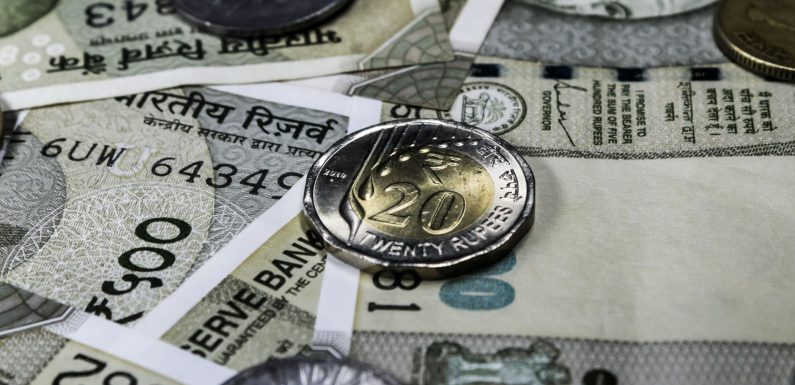
Photo by Ravi Roshan on Pexels
