

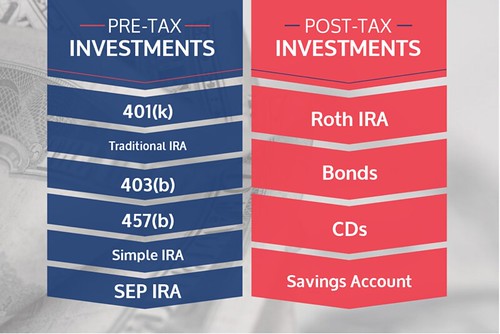
The 401(k) tax break has changed for higher earners over 50, impacting their retirement savings strategies. Understanding these changes is crucial for effective financial planning.
Understanding 401(k) Tax Break Changes
The 401(k) tax break has been a crucial savings tool for many Americans, particularly for those preparing for retirement. However, recent changes have significant implications for higher earners, especially those over 50.
Starting in 2026, the IRS will modify the rules governing 401(k) contributions, impacting tax breaks for individuals with higher incomes. These changes mean that higher earners will no longer be able to take advantage of certain tax benefits previously available to them. This shift is primarily due to the aim of making tax incentives more equitable among different income brackets.
Key changes include:
- Phase-out thresholds: The income limits for receiving tax breaks will be lowered, potentially excluding many high-income earners.
- Contribution limits: Adjustments to how much individuals can contribute tax-deferred could also affect retirement savings strategies.
- Catch-up contributions: Special provisions for those over 50 may face stricter regulations, limiting the additional savings intended for those nearing retirement.
As these changes take effect, higher earners must reassess their retirement planning to maximize their savings under the new rules.
Impact on Retirement Savings
The recent changes to the 401(k) tax break have significant implications for higher earners over the age of 50. As these individuals approach retirement, the ability to maximize their savings is crucial. However, with the loss of certain tax benefits in 2026, the landscape of retirement planning has shifted dramatically.
One of the most critical impacts is the reduction in tax-deferred contributions. Higher earners, who typically contribute larger amounts to their 401(k) plans, may find their savings strategies altered. As a result, they might need to consider additional savings vehicles, such as IRAs or taxable investment accounts, to supplement their retirement funds.
Furthermore, the elimination of the tax break could lead to increased taxable income during retirement, affecting overall financial stability. It is essential for those affected to reassess their retirement goals and strategies in light of these changes.
To navigate this new environment effectively, higher earners over 50 should:
- Consult with financial advisors to optimize their retirement plans.
- Explore alternative investment options to ensure adequate retirement savings.
- Stay informed about legislative changes that may impact their financial future.
Who is Affected by the Changes?
The recent changes to the 401(k) tax break primarily affect higher earners aged 50 and above. This demographic has traditionally benefitted from unique tax advantages, enabling them to contribute more to their retirement plans. However, starting in 2026, significant modifications will alter the landscape for these individuals.
Specifically, the adjustments are designed to reduce the tax incentives for those earning above certain income thresholds. The following groups are particularly impacted:
- High-income professionals: Individuals with salaries exceeding the new limits will find their ability to maximize contributions curtailed.
- Business owners: Those who operate their own businesses may face challenges in taking full advantage of the tax break.
- Pre-retirees: Individuals nearing retirement age who rely on these tax benefits to bolster their savings may need to reassess their strategies.
As these changes come into effect, it’s crucial for affected individuals to stay informed and adjust their retirement planning accordingly to mitigate any negative impact on their financial futures.
Financial Planning Strategies
As the 401(k) tax break landscape evolves, higher earners over 50 must adopt new financial planning strategies to ensure their retirement savings remain robust. With changes set to take effect in 2026, it becomes increasingly important for individuals in this demographic to revisit their financial goals and investment approaches.
To navigate these changes, consider the following strategies:
- Diversify Investments: Explore a mix of asset classes, including stocks, bonds, and alternative investments, to mitigate risk and enhance growth potential.
- Maximize Contributions: Take full advantage of catch-up contributions allowed for those over 50 to bolster retirement accounts before the changes take effect.
- Consult a Financial Advisor: Engaging a professional can provide tailored advice on transitioning your portfolio and optimizing tax strategies in light of the 401(k) tax break modifications.
- Consider Roth Options: Transitioning some traditional 401(k) funds to a Roth account may offer tax-free withdrawals in retirement, a critical consideration for those affected by the changes.
By implementing these strategies, higher earners can mitigate the impact of the upcoming 401(k) tax break changes and work towards achieving their retirement goals.
Expert Opinions on the New Rules
Experts are weighing in on the recent changes to the 401(k) tax break for higher earners over the age of 50. According to financial advisor Jane Smith, the new regulations may significantly alter retirement strategies for this demographic. “The elimination of the tax break will challenge those who are already maximizing their contributions,” she explains.
Moreover, retirement planning specialist Tom Johnson highlights the importance of adapting investment approaches. “Individuals must now consider alternative tax-advantaged accounts,” he notes, suggesting options like Health Savings Accounts (HSAs) or tax-deferred annuities.
Several experts emphasize the potential long-term consequences of this shift. “Higher earners could see a notable decrease in their retirement savings growth, impacting their overall financial security,” warns financial analyst Sarah Lee. “It’s crucial for this group to revise their financial plans promptly.”
As the changes take effect in 2026, financial professionals stress the need for proactive measures. In summary, the loss of the 401(k) tax break could force higher earners over 50 to rethink their retirement strategies and seek new avenues for tax efficiency.
Future of Retirement Savings
The future of retirement savings for higher earners over 50 is becoming increasingly complex. With the recent changes to the 401(k) tax break, many individuals are reassessing their financial strategies as they approach retirement age. The elimination of certain tax benefits could significantly impact their ability to save effectively.
As individuals plan for their financial futures, it is essential to consider the following:
- Adjusting Contribution Strategies: Higher earners may need to rethink how much they contribute to their 401(k) plans to maximize their savings before the changes take effect.
- Diversifying Investments: Exploring alternative investment vehicles may provide better tax efficiency and growth potential outside traditional retirement accounts.
- Consulting Financial Advisors: Engaging with financial professionals can provide tailored advice to navigate the new landscape of retirement savings.
As the landscape of retirement pensions evolves, understanding these changes becomes crucial. The 401(k) tax break is an important aspect of retirement planning, and staying informed will empower higher earners to make strategic decisions that align with their financial goals.
Resources for Higher Earners
For higher earners navigating the recent changes to the 401(k) tax break, various resources can assist in adjusting their financial strategies. Understanding these alterations is crucial for effective retirement planning.
- Financial Advisors: Consulting with a financial advisor who specializes in retirement planning can provide tailored advice on maximizing contributions and tax benefits.
- Retirement Planning Workshops: Many organizations offer workshops focused on retirement savings, where participants can learn about the implications of the new rules on 401(k) plans.
- Online Calculators: Utilizing online retirement calculators can help higher earners assess how changes to the 401(k) tax break will impact their savings over time.
- IRS Resources: The IRS website provides comprehensive information on 401(k) regulations, including recent updates that affect higher earners.
- Investment Platforms: Many investment platforms offer tools and resources to help individuals understand the best investment strategies in light of tax changes.
By leveraging these resources, higher earners can navigate the new landscape of retirement savings and make informed decisions to secure their financial future.
By aag_photos via Openverse
