

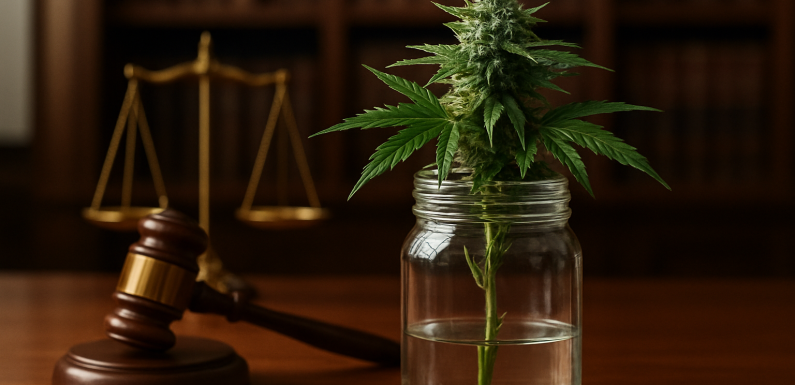
Cannabis regulations have changed significantly across Canada, making it important for adults to understand the rules surrounding legal cannabis in BC before considering possession, consumption, or purchasing options. British Columbia has established a regulated framework designed to provide adults with access through authorized channels while setting clear expectations around age requirements, possession, public use, and responsible consumption.
Contents
- What does legal cannabis mean in British Columbia?
- Who can legally possess cannabis in BC?
- Where can adults consume cannabis?
- Why is product information important?
- How should new consumers approach cannabis responsibly?
- Can cannabis affect driving?
- What should consumers know about responsible storage?
- How can consumers stay informed?
What does legal cannabis mean in British Columbia?
Legal cannabis refers to cannabis products that are produced, distributed, and sold through channels authorized under Canadian and provincial regulations. British Columbia follows the federal Cannabis Act alongside provincial rules governing retail operations and consumption. These measures are intended to establish standards for product quality, labeling, age verification, and responsible distribution.
For consumers, understanding the difference between regulated and unregulated products is particularly important. Authorized products are subject to regulatory requirements, while products obtained through unauthorized sources may not provide the same assurances concerning labeling, ingredients, or production standards.
Who can legally possess cannabis in BC?
Adults who meet the applicable legal age requirements may possess cannabis within the limits established by Canadian law and British Columbia regulations. Age restrictions are an important component of the legal framework, and individuals should verify the current requirements before possessing or consuming cannabis.
Rules can also vary depending on where a person lives, travels, or consumes cannabis. Visitors should therefore review local regulations rather than assuming that rules are identical across every Canadian province or municipality.
Where can adults consume cannabis?
Legal possession does not mean cannabis can be consumed anywhere. British Columbia has restrictions concerning public consumption, workplaces, schools, certain residences, and other designated areas. Municipal bylaws and property-specific policies can introduce additional restrictions.
Before consuming cannabis, individuals should check the rules that apply to their particular location. This is especially relevant for travelers staying in hotels, rental accommodations, shared housing, or other properties where separate policies may apply.
Why is product information important?
Cannabis products can differ considerably in cannabinoid concentration, format, and expected effects. Labels provide information that can help consumers understand what a product contains and make more informed decisions.
Responsible consumers should read packaging carefully and avoid assuming that different products will produce identical experiences. Factors such as product type, potency, individual tolerance, and method of consumption can affect how cannabis is experienced.
How should new consumers approach cannabis responsibly?
People with limited experience may benefit from taking a cautious approach. Understanding product information, avoiding combinations with other intoxicating substances, and allowing sufficient time to understand effects can reduce the likelihood of an unpleasant experience.
Cannabis can affect coordination, attention, reaction time, and judgment. For that reason, consumption should never be combined with activities that require full alertness or physical control.
Can cannabis affect driving?
Yes. Cannabis can impair abilities that are important for safe driving. The presence of legal cannabis does not make driving after consumption safe or lawful. Individuals should avoid driving or operating machinery while impaired and should plan transportation in advance when necessary.
Impaired driving laws can carry serious consequences, so responsible use includes understanding the risks before consuming cannabis.
What should consumers know about responsible storage?
Cannabis should be stored securely and kept away from children and pets. Original packaging can help preserve product information and make it easier to identify contents and recommended handling instructions.
Secure storage is particularly important in households where other people could accidentally access cannabis products.
How can consumers stay informed?
Cannabis regulations can change as governments update legislation, municipal rules, public-health guidance, and retail requirements. Consumers should consult official Canadian and British Columbia government resources for current information rather than relying solely on older articles or informal online discussions.
Understanding the legal framework, checking product information, respecting consumption restrictions, and avoiding impaired driving are central elements of responsible cannabis use. A well-informed approach allows adults to understand their rights and responsibilities while reducing avoidable risks associated with cannabis consumption.
What You Need to Know
- British Columbia has established a regulated framework for cannabis that includes age requirements, possession limits, and public use restrictions.
- Legal cannabis in British Columbia refers to products that are produced and sold through authorized channels under Canadian and provincial regulations.
- Consumers must differentiate between regulated products, which meet quality and safety standards, and unregulated products that may lack proper labeling and assurances.
- Cannabis consumption is restricted in various public places, workplaces, and certain residences, with local bylaws adding further limitations.
- Safe driving is impaired by cannabis, and individuals should avoid operating vehicles or machinery after consumption to prevent legal consequences and accidents.
- Consumers should stay informed on cannabis regulations as they may change and are encouraged to consult official government resources for the most current information.
