

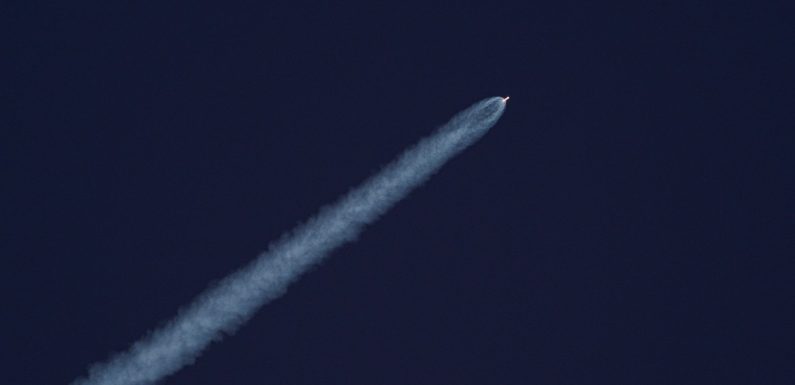
Skyroot launches Vikram rockets is a significant development for US startups in the aerospace sector. This collaboration highlights the growing interest in space exploration and commercial launches.
What are Skyroot launches?
Skyroot, an Indian space startup, has made significant strides in the aerospace sector with its launch of Vikram rockets. These rockets are designed to provide reliable and cost-effective access to space, catering to a growing market for small satellite launches. The company aims to enhance the capabilities of the Indian space industry while positioning itself as a global player in the commercial space launch market.
Skyroot’s Vikram rockets are named after Dr. Vikram Sarabhai, the father of the Indian space program. The rockets feature advanced technology and are built with a focus on rapid development and affordability. The launch of these rockets is a pivotal moment for Skyroot, marking its entry into the competitive landscape of satellite launches.
Recently, a US startup secured two bookings for launches onboard Skyroot’s Vikram rockets, highlighting the growing interest in their payload capabilities. The benefits of choosing Skyroot for launches include:
- Cost-effectiveness: Competitive pricing makes them an attractive option for various clients.
- Customization: Tailored solutions for different payload requirements.
- Reliability: Designed to ensure a high success rate for missions.
In summary, the launch of Vikram rockets by Skyroot represents a significant advancement in the space industry, offering promising opportunities for both domestic and international clients.
Impact of Vikram rockets on startups
The launch of Vikram rockets by Skyroot has significant implications for the startup ecosystem, particularly in the space sector. These rockets not only represent a technological advancement but also provide a viable option for startups looking to access space.
Skyroot’s Vikram rockets are designed to be cost-effective, which is crucial for early-stage companies that may have limited funding. The competitive pricing of these launches allows startups to plan their missions without the fear of prohibitive costs, enabling them to innovate and grow.
Moreover, the reliability and efficiency demonstrated by the Vikram rockets can foster confidence among investors. When startups can trust that their payload will reach orbit, they can focus on developing their technology instead of worrying about launch failures.
In addition, the collaborative environment created by Skyroot encourages partnerships and knowledge-sharing among startups. This collaboration can lead to enhanced strategies for launching payloads and developing new technologies, ultimately benefiting the entire industry.
As more companies consider the advantages of using Vikram rockets, it is evident that Skyroot launches are shaping the future of space exploration for startups. The impact is already being felt, with increased interest from various sectors eager to leverage the capabilities of these innovative rockets.
Why choose Skyroot for launches?
As the space industry evolves, companies are continuously seeking reliable launch partners. Skyroot has emerged as a frontrunner in this arena, particularly with its innovative Vikram rockets. Here are several reasons why choosing Skyroot for launches might be a strategic decision for startups and established firms alike:
- Cost-effectiveness: Skyroot offers competitive pricing for its launch services, making it an attractive option for startups with limited budgets.
- Flexibility: The Vikram rockets are designed to accommodate a wide range of payloads, allowing for customized solutions tailored to specific mission requirements.
- Rapid development: Skyroot’s agile development process ensures quicker turnaround times for launches, which is crucial for companies needing to meet tight deadlines.
- Technological innovation: With cutting-edge technology embedded in the Vikram rockets, clients can expect high reliability and performance during their missions.
- Strong partnerships: Collaborations with notable global entities bolster Skyroot’s credibility, as seen with the recent booking by a US startup for two launches onboard Vikram rockets.
In summary, the combination of affordability, adaptability, and technological advancements makes Skyroot a compelling choice for organizations looking to make their mark in the burgeoning space sector.
Future of space startups in India
The future of space startups in India looks promising as companies like Skyroot are paving the way for innovation and competition in the aerospace sector. With the recent Skyroot launches of Vikram rockets, there is a significant shift towards making space more accessible for various applications, including satellite deployment and research missions.
India’s burgeoning space ecosystem is attracting attention from both domestic and international players. Startups are beginning to explore partnerships with established organizations, creating a synergy that fosters growth and technological advancement. The involvement of international companies, such as the recent US startup that booked two Skyroot launches, highlights the global interest in India’s space capabilities.
Moreover, the Indian government has been supportive of private sector involvement, offering incentives and regulatory frameworks that encourage innovation. This has led to an increase in venture capital investments in the space sector, enabling startups to experiment and develop cutting-edge technologies.
As more startups emerge, the focus will be on creating cost-effective and reliable solutions for space missions. The success of Skyroot and its Vikram rockets could serve as a benchmark, inspiring other companies to enhance their offerings and push the boundaries of what is possible in space exploration.
Skyroot launches Vikram rockets, showcasing their advanced technology and commitment to affordable space access. As the industry evolves, many are wondering if Skyroot launches Vikram rockets will become the leading choice for satellite deployments.
Photo by Dirk Schuneman on Pexels
